Case Study: From Character Artwork to a Mascot Series

This anonymized case uses owned production photographs to show the decisions behind a coordinated character range. It documents a working method, not a client endorsement or a promise that every project uses the same construction.

The useful lesson is not the character style. It is the control sequence: define the shared visual language, expose pose-specific risks, approve physical samples, and preserve the accepted details for the series.

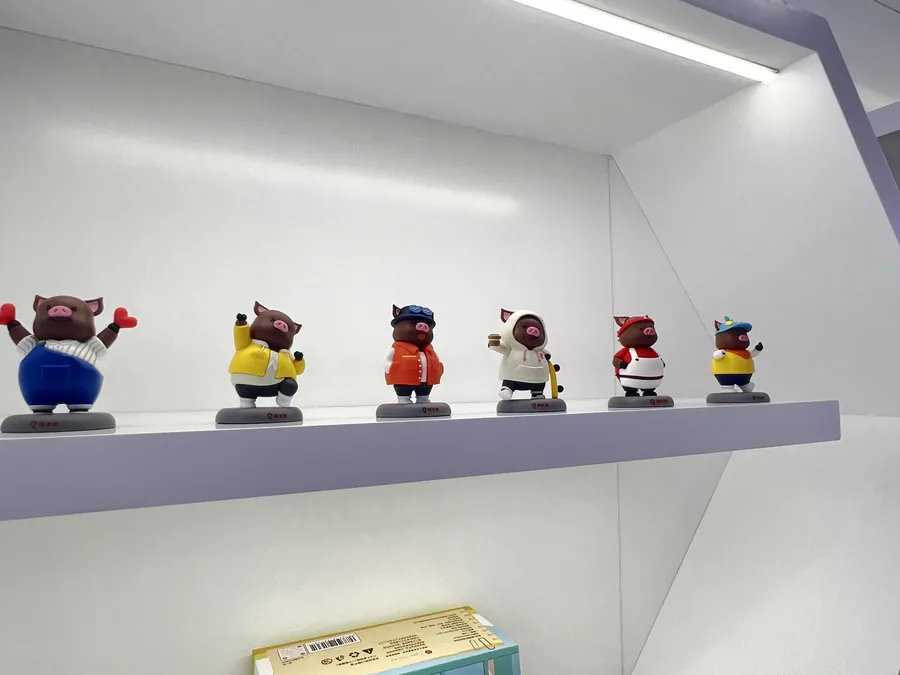
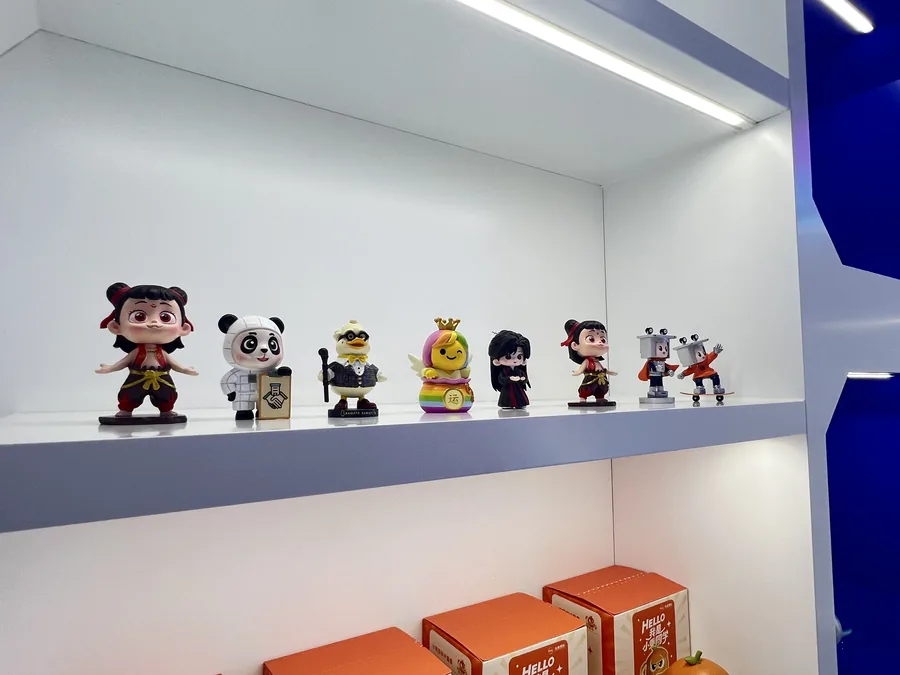
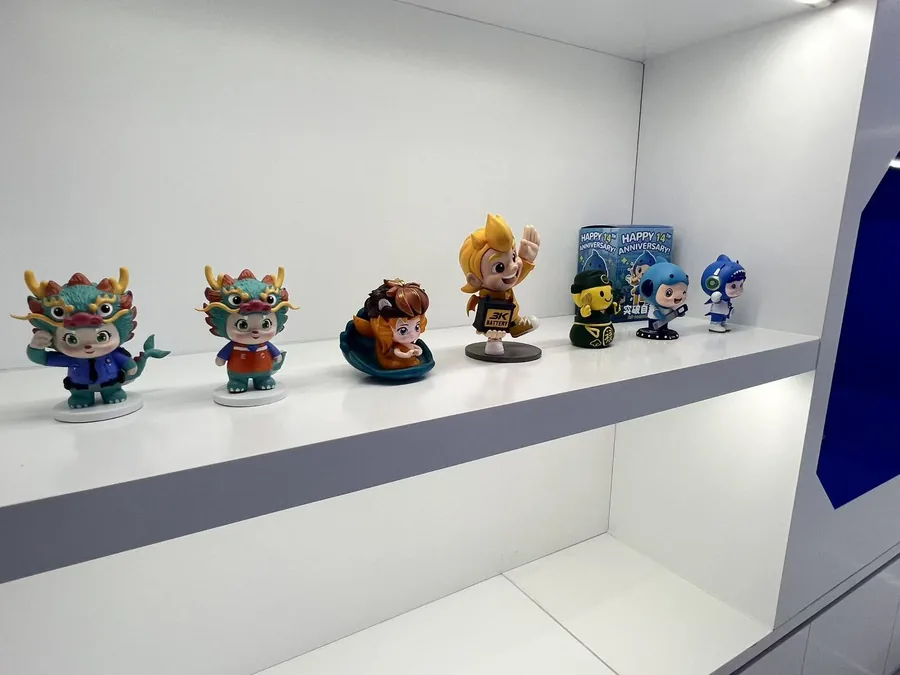
A coordinated set of physical mascot figures in different poses and outfits
Owned production sample photograph. Client and campaign identity are intentionally not used as endorsement claims.

Specification starting points

These are discussion fields, not automatic promises. The quote and artwork proof record the options agreed for the order.

Case Study: From Character Artwork to a Mascot Series — Specification starting points
Specification fieldProject review starting point
InputApproved character artwork and the views available for each pose
Shared systemScale, silhouette, color language, base logic, and packaging family
Variable detailsPose, props, contact points, balance, painted features, and labels
ApprovalModel review followed by physical sample checks for each distinct construction
RecordApproved sample, corrections, color references, packaging, and reorder notes

1.0

1. Establish the shared character system

The series begins with the features that must stay consistent: overall scale, face proportions, color references, base language, logo placement, and packaging family. These shared rules reduce drift while leaving room for pose-specific construction.

  • Character views and priority angles
  • Finished size and display distance
  • Shared color and surface references
  • Base, label, and packaging rules

2.0

2. Review each pose as a physical object

A raised arm, separate prop, narrow ankle, oversized head, or off-center stance changes balance and assembly. Each distinct pose should expose its contact points, thin sections, part lines, base footprint, and areas that need reinforcement or simplification before sampling.

3.0

3. Use physical samples as the production reference

The sample review checks likeness, surface transitions, paint boundaries, assembly, stability, base fit, and packaging contact. Corrections are recorded against the approved object so production and later reorders do not rely on screenshots or memory.

Case Study: From Character Artwork to a Mascot Series FAQ

Use the quote brief for artwork-specific, material, testing, and delivery questions.

Does this case identify the original client?

No. It is intentionally anonymized. The photographs are used as physical manufacturing evidence and do not imply a public endorsement.

Does every pose require separate tooling?

Not always, but distinct geometry, props, contact points, or assembly can require separate tooling or components. That is confirmed during model and production review.

Can one approved character expand into a larger series?

Yes. Preserve the approved scale, color, base, packaging, and correction record, then review each new pose for its own balance, detail, assembly, and tooling requirements.

Turn this page into your project brief.

Attach the artwork, dimensions, quantity range, and intended application. Leave the unresolved production choices open.

Start the quote